
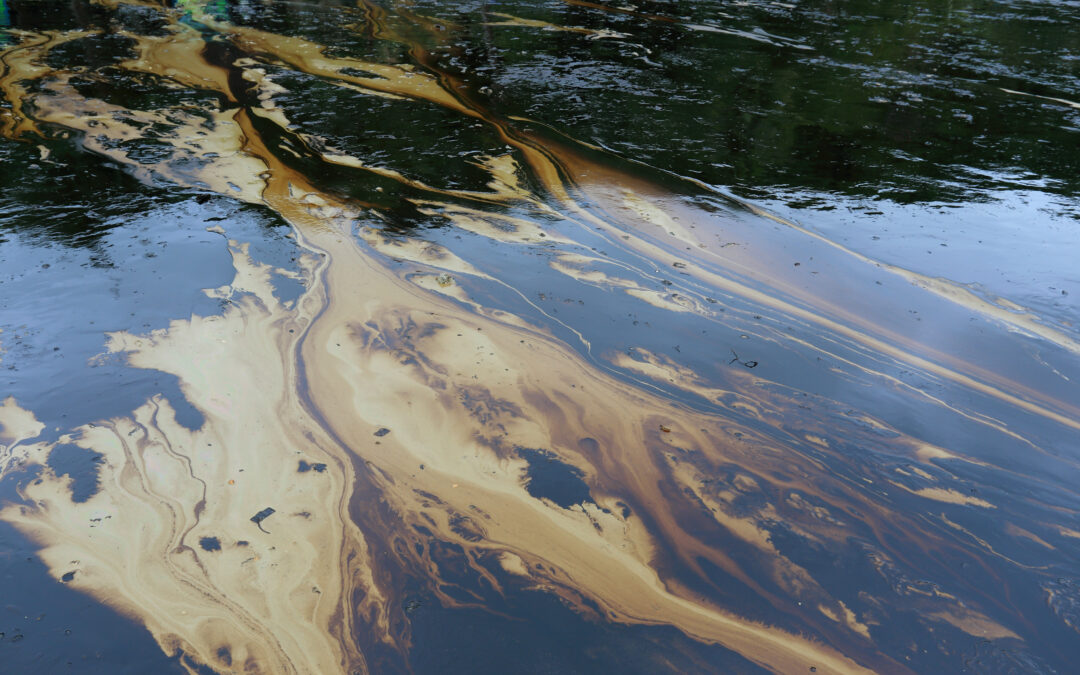
Louisiana’s century-old oil and gas operations left unlined pits, abandoned wells and corroded pipelines across the state. Over time, saltwater, drilling muds and toxic substances like hydrocarbons and heavy metals seeped into soil and groundwater. Certain industries, including family farms, timber stands, livestock ranches and coastal fisheries, depend on clean land and water. This article explains which sectors face the greatest historic oil and gas contamination risks and how you can take action to secure environmental remediation funding and legal support.
Family Farms and Row-Crop Agriculture
Historic oilfield “produced water” pits often sit near cropland, putting soil health and irrigation at risk. Landowners who rely on irrigation should be aware of agricultural soil contamination studies explaining how chlorides and hydrocarbons from old pits can permanently alter crop yields.
Risks to Irrigation and Soil Health
Oilfield “produced water” pits can leach high concentrations of salts, hydrocarbons and heavy metals into shallow groundwater. When contaminated groundwater feeds irrigation systems, it can stunt crop growth, leave chemical residues in fruits and vegetables and alter the soil’s physical structure. Over time, the buildup of hydrocarbons and toxic compounds reduces soil fertility and undermines long‐term productivity.
Funding and Remediation Options
Cleaning contaminated farmland often demands costly soil and water studies, engineering reports and laboratory analyses. Under Act 312 Legacy Litigation, you may be able to obtain a court-approved cleanup plan that requires responsible operators to cover those expenses. Talbot, Carmouche & Marcello can advance all expert and laboratory fees on a contingency-fee basis–so you pay nothing unless we secure a win or negotiate a settlement. This litigation-driven funding may reduce your out-of-pocket risk and strengthen your Legacy litigation claim by typing remediation costs directly to the responsible parties.
Timber and Forestry Operations
Forestland adjacent to old oilfields often conceals abandoned waste pits. Contaminants in soil can spread through root systems and harm timber and other growth.
Impact on Tree Growth and Timber Value
Contaminants in buried waste pits can travel upward through tree root systems, causing die‐off in mature stands and reducing timber quality. Hydrocarbons and heavy metals accumulate in bark and sap, making wood products unsuitable for milling or sale. As a result, landowners face lost timber revenue, increased disposal costs and diminished asset value.
Remediation Strategies
In‐situ soil washing and phytoremediation harness plant roots to extract or degrade toxic compounds over time. Engineered barriers—such as slurry walls—can contain contaminated groundwater and stop its spread. Under Act 312, Talbot, Carmouche & Marcello can help you file for a court‐approved “most feasible plan” that compels responsible parties to fund full cleanup of forestry sites.
Livestock Ranching and Pasture Land
Pasture water troughs and grazing areas near oilfield pits pose health risks to livestock—and to consumers of meat and dairy products.
Risks to Livestock Health
When livestock drink from wells contaminated by oilfield pits, they can develop liver, kidney and skin disorders. Grazing on hydrocarbon‐laden forage allows toxins to bioaccumulate in meat and milk, creating serious food‐safety risks for consumers and exposing ranchers to liability.
Protective Measures
Until contaminated areas are remediated, ranchers should install lined water troughs or haul in potable water to safeguard livestock. Fencing off old pit sites prevents animals from grazing on polluted soil. Legal action can then secure a court‐ordered remediation plan that may fully restore pastures and could compensate for veterinary and replacement‐water costs.
Coastal Fishing, Shrimping and Aquaculture
Oilfield canals and dredged channels can disrupt natural filtration in wetlands. Historic contamination now threatens fisheries and aquaculture operations.
Threats to Marine Life and Water Quality
Oilfield canals and dredged channels may release hydrocarbons and high‐salinity brine into estuaries, where residual oils cling to sediments and smother oyster beds. Nursery habitats for shrimp and juvenile fish suffer toxic exposure, reducing harvest yields and threatening the long‐term viability of coastal fisheries and aquaculture operations.
Restoration Approaches
Targeted sediment removal or capping keeps contaminants from migrating into sensitive marshes and bayous. Replanting marsh grasses restores natural filtration and shoreline stability, creating long‐term protections against erosion and runoff. Under Act 312, coastal landowners can demand court‐approved plans that require responsible parties to fund full wetland restoration.
How to Take Action
Historic oil and gas contamination can harm your land and cut into property value for generations. Under Louisiana’s current Act 312 framework, landowners meet a lower proof standard and may secure full remediation and uncapped cost recovery. On September 1, 2027, Act 458 will raise the evidence burden, cap damages and shift cleanup control to state agencies. Act now to protect your property rights.
Where to Start
If you might have old oilfield pits, rusted pipelines, or abandoned wells on your property, you may want to consult a Legacy litigation attorney.
File Before the Deadline
Don’t wait until the last minute. A thorough investigation and expert research take time. Start your Legacy claim now to secure your rights under the current law before it shifts on September 1, 2027.
Vet Your Attorney
Ask prospective attorneys about their Act 312 vs Act 458 expertise, resources and contingency-fee arrangements.
How Talbot, Carmouche & Marcello Can Help
Contact Talbot, Carmouche & Marcello now for a free case evaluation. Our attorneys have handled Legacy claims for more than 30 years. We advance all litigation costs on a contingency-fee basis and understand how to navigate Act 312’s time-sensitive requirements. We are ready to guide you through every step of remediation and compensation to safeguard your rights.